

Duncan Barker thought he was the picture of health when he walked into his GP’s office for a routine check-up in October 2023.
At 59, the busy draughtsman was simply ticking boxes—blood tests, the usual health maintenance that responsible adults do.
Then came the phone call that changed everything.
His Prostate-Specific Antigen (PSA) level was 170— astronomically high compared to the healthy range of under 4.
An MRI revealed an enlarged prostate, and what followed was a whirlwind of tests, referrals and the devastating diagnosis: stage 4 prostate cancer.
“Looking back, I had some subtle symptoms I hadn’t fully registered, like more frequent bathroom visits, but I felt completely healthy,” Duncan reflects. “It was a shock. I felt fine, so I didn’t quite understand what all the fuss was about.”
But Duncan’s story isn’t one of defeat—it’s one of remarkable resilience and the power of advanced medical care made possible by community support like yours. His GP immediately referred him to a doctor at The Wesley Hospital, where Duncan began hormone blocker injections and chemotherapy. Within weeks, his PSA levels plummeted from 170 to 41—a dramatic improvement.
“I was pretty ecstatic,” he shared.
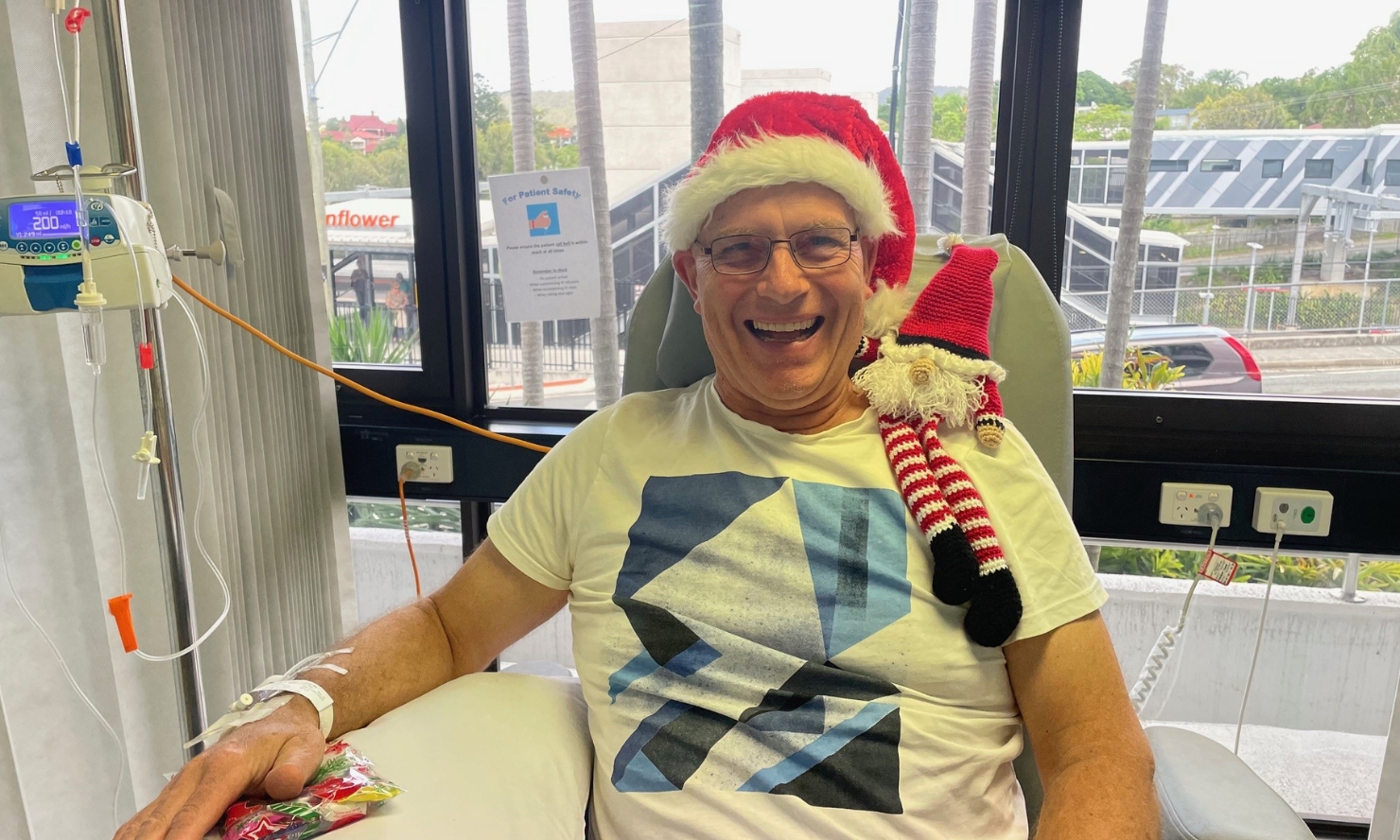
The treatment plan included robotic prostatectomy performed by Dr Geoff Coughlin, utilising advanced surgical technology funded by generous supporters.
This equipment allowed for precision that would have been unimaginable just decades ago.
“From the moment I saw my doctors, they guided me through the whole process” Duncan says. “My oncologist and the nursing and pharmacy staff were phenomenal.”
His advice to others facing a similar experience? “Go to The Wesley Hospital for treatment. And have a positive attitude. Those are the two key ingredients that helped me.”
Today, Duncan remains cancer-free, with a message of profound gratitude:
“Without the support of donors who funded the advanced medical technology I wouldn’t be here. Thank you, you saved my life.”
Taking care of yourself and others
Taking care of yourself helps protect your community:
- Know the numbers
In 2024, an estimated 26,368 Australian men were diagnosed with prostate cancer—that’s 72 men every day.1 - Understand your risk
If your father or brother has been diagnosed with prostate cancer, your risk increases two-fold. If you have two or more close male relatives diagnosed, your risk increases five-fold.2 - Get checked regularly
Men over 50 should discuss PSA testing with their GP, or from age 40-45 if you have a family history.3 - Don’t ignore symptoms
Changes in bathroom habits, pelvic discomfort, or other unusual symptoms shouldn’t be dismissed.
Support your mental health and others:
- Recognise the mental health impact
Men with prostate cancer experience higher rates of anxiety and depression than the general population.4 - Seek help when needed
Only one-quarter of men say they would seek help from a mental health professional, but support is available and effective.4 - Talk openly
Create safe spaces for conversations about health, feelings and fears with the men in your life. - Know early detection saves lives
Over 98% of men with early-stage prostate cancer will be alive five years after diagnosis, compared to around 36% for late-stage.5
Your support of prostate cancer services funds the specialist nurses and compassionate care that help men feel less alone.
1 Cancer Australia, 2024 2 PCFA, 2024 3 USANZ, 2024 4 University of South Australia, 2024 5 PCFA Survivorship Kit, 2024


